First Walk With a New Dog: A Practical Checklist
For a new dog's first walk, use fitted walking gear, a secure leash and ID, waste bags, and a simple route close to home. Let the dog sniff, keep the outing manageable, and return before stress or weather makes it difficult. Add water and familiar rewards as needed.
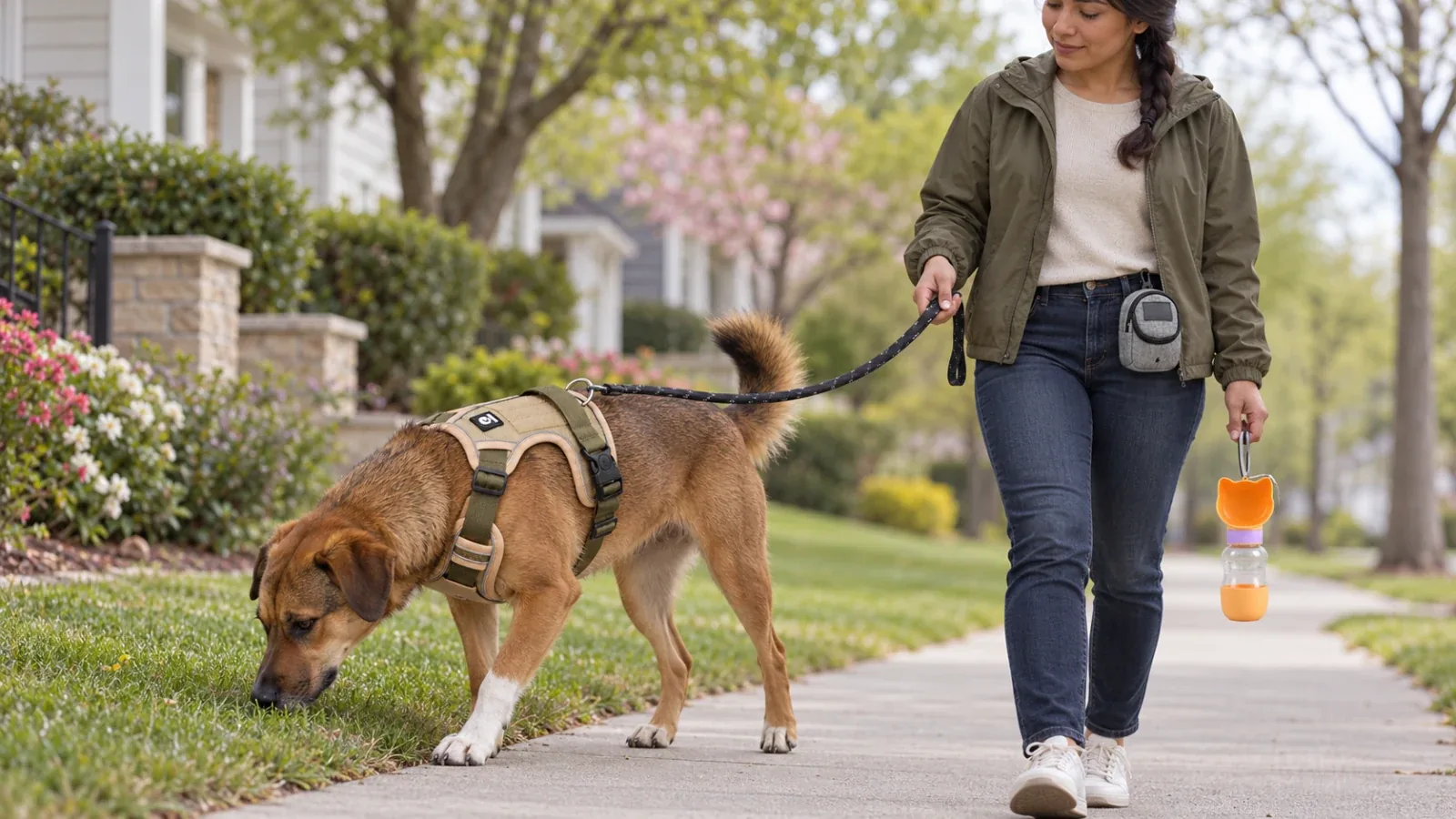
For a new dog's first walk, use fitted walking gear, a secure leash and ID, waste bags, and a simple route close to home. Let the dog sniff, keep the outing manageable, and return before stress or weather makes it difficult. Add water and familiar rewards as needed.
There is no universal first-walk distance or deadline. A newly adopted dog may be curious, cautious, or overwhelmed, and you may not yet know which sounds, surfaces, or people are difficult for them. The goal is a calm introduction to a repeatable routine, not an exercise target.
Before the Door: Check the Dog and the Gear
Ask the shelter, rescue, previous caregiver, or veterinarian about current health instructions, exercise limits, vaccinations, and any known walking concerns. If you have a puppy or a dog whose vaccination status is uncertain, get individual veterinary guidance about public places before planning a neighborhood walk. A general checklist cannot replace that advice.
The BC SPCA's new-dog guide recommends preparing supplies and a routine in advance. It also notes the importance of a collar with ID even when a dog walks on a harness. Confirm the tag and contact details are current, then inspect the leash, clip, straps, and closures before leaving.
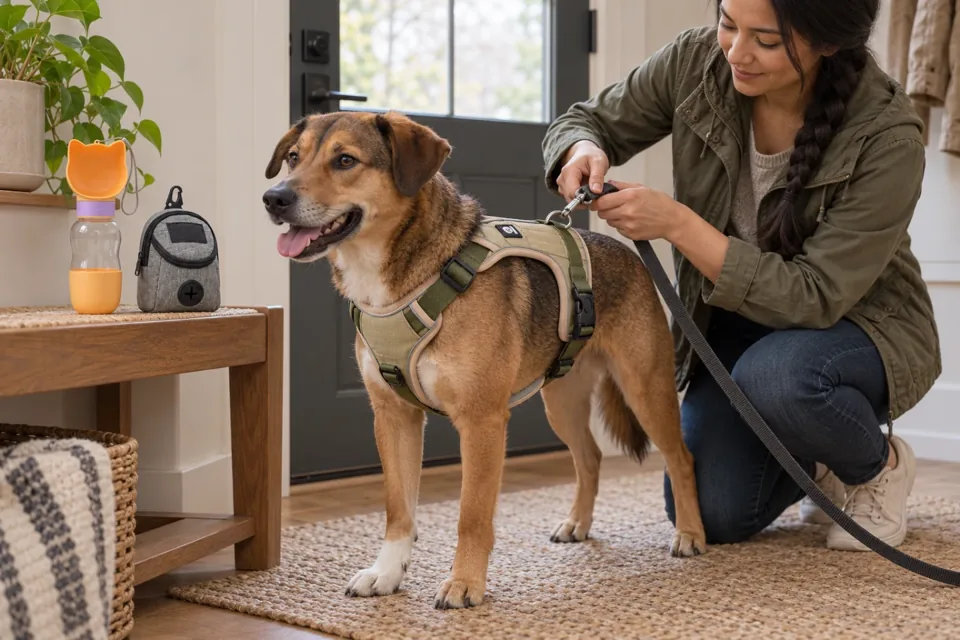
Fit the harness indoors while the dog is standing naturally. Look for flat straps, comfortable shoulder movement, and no rubbing at the front legs. The BC SPCA advises checking fit before every walk. If a new dog freezes or backs away from the gear, slow the process down; do not force a long outing to test a new harness.
Pack the minimum you can reach without losing your leash grip:
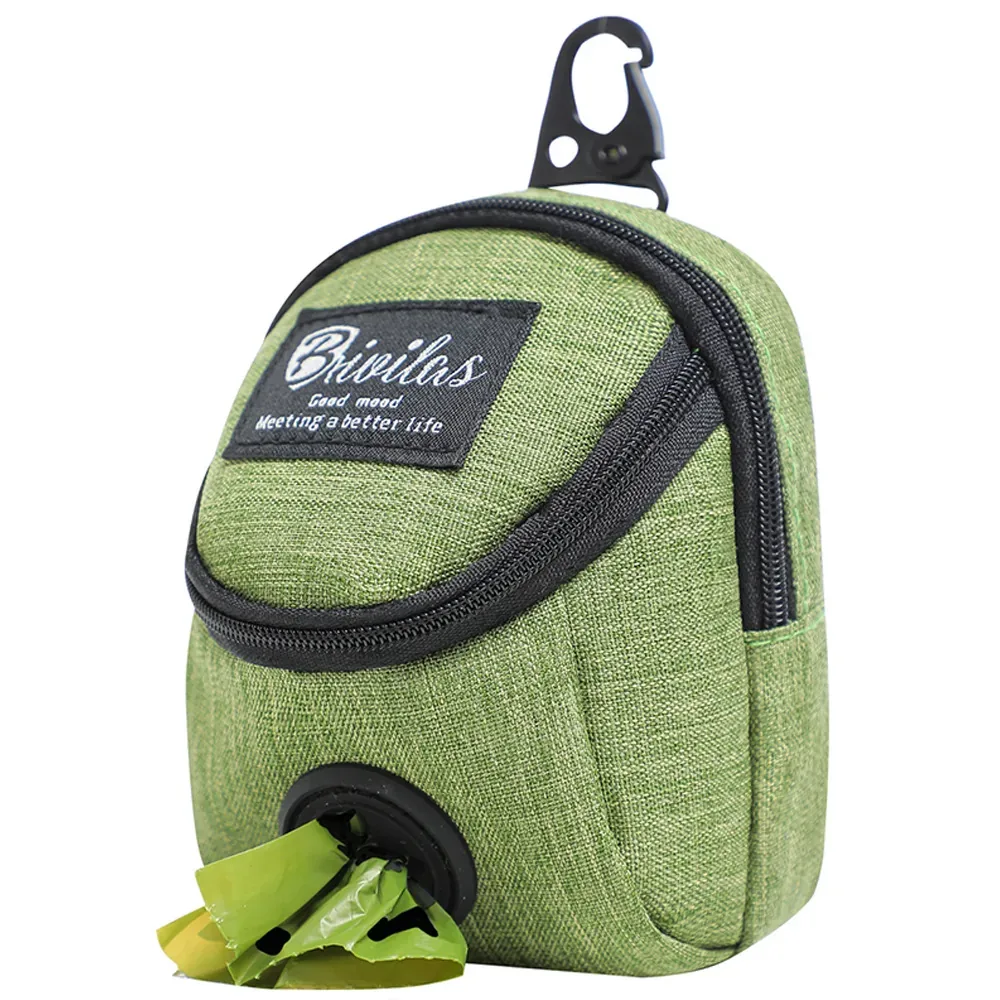
- waste bags, with a spare in case one tears;
- small familiar rewards if the dog's food plan allows them;
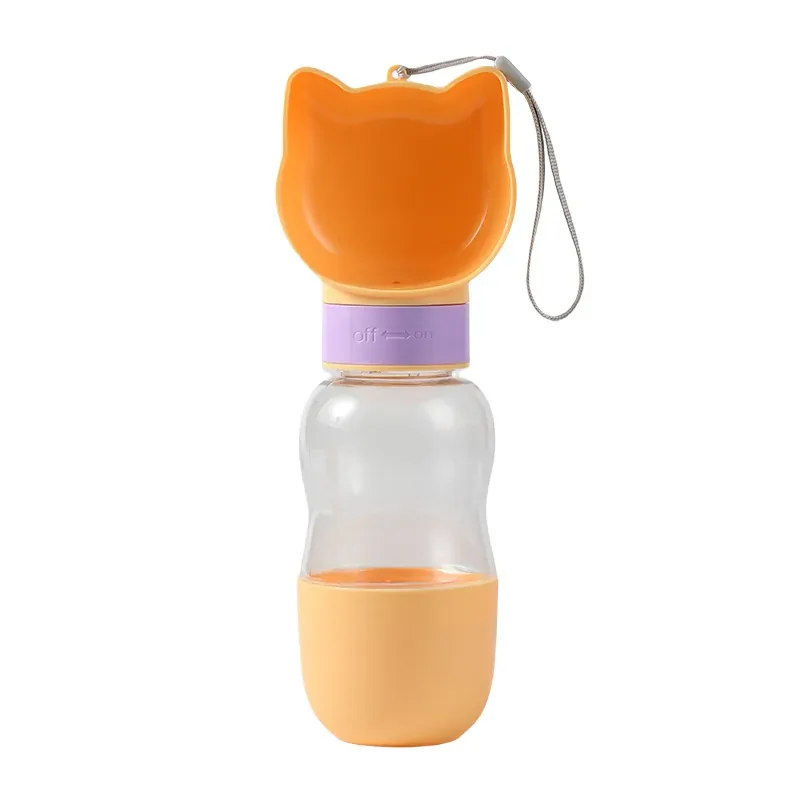
- water and a way to offer it when the route, duration, or weather requires it;
- a phone and a way home if you need to shorten the walk.
Keep treats separate from waste supplies, and do not introduce unfamiliar food just to make the first walk more appealing. For a dog with dietary restrictions, follow the plan from their caregiver or veterinarian.
Choose a Route With an Easy Exit
Start where you can turn back without crossing a busy road or committing to a long loop. Look for a familiar, relatively quiet route with space to step aside. Avoid making a crowded dog park or a noisy event the first test of how a newly arrived dog handles the outside world.
Plan the time of day as carefully as the location. The AVMA advises avoiding the hottest part of the day, taking breaks, and bringing water during warm-weather activity. In any season, weather, footing, and the dog's age or health may call for a shorter outing. If the dog has an exercise restriction, follow the veterinarian's plan.
Before opening the door, shorten and organize the leash so it cannot tangle around legs or the handle. Ask the dog to pause if they can do so comfortably; otherwise, calmly manage the doorway and move out without a rushed tug. You can practice this transition inside before trying it on a sidewalk.
During the Walk: Watch the Dog, Not a Step Count
Let the dog gather information at a manageable pace. Sniffing can be part of exploring a new environment. The ASPCA's adoption guidance notes that new pets may need time to settle and recommends patience rather than forced interactions. You do not need every neighbor, child, or dog to greet yours on the first outing.
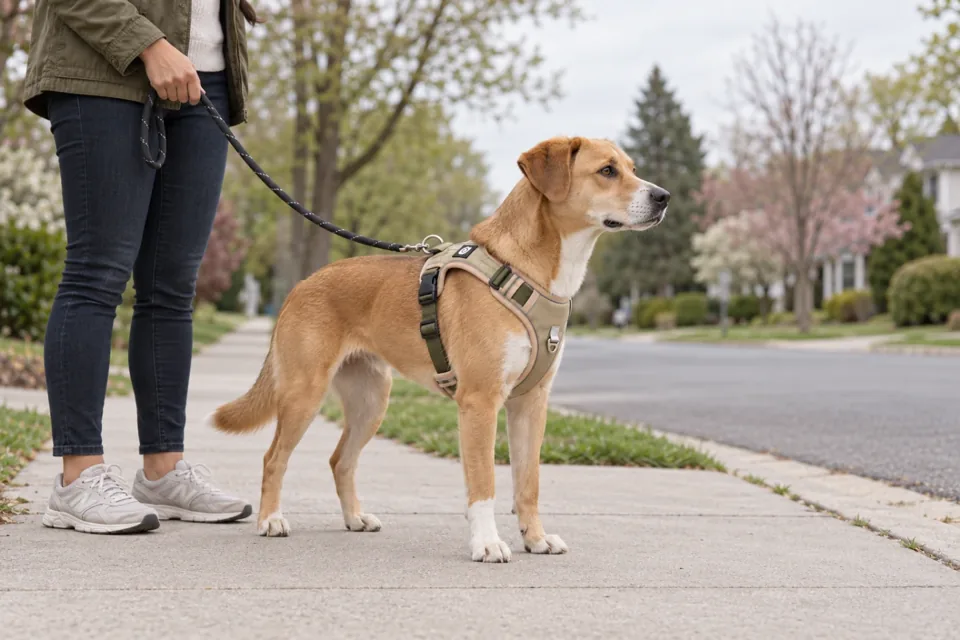
Keep enough distance from distractions that you can still handle the leash calmly. If the dog stops, scans, pulls toward home, repeatedly tries to retreat, or will not recover after a pause, reduce the challenge or head back. Those observations help you plan the next outing; they are not a failure. If fear or reactivity persists, ask a qualified humane trainer or veterinarian for individualized help.
Use rewards without turning the walk into a test
If the dog accepts familiar food, reward an easy check-in or a calm pause. Do not lure the dog toward something they are avoiding just to complete the route. Keep your eyes on the environment while reaching for food, particularly near driveways and crossings. If the dog does not take a reward, focus on giving space and ending the outing smoothly.
Offer water when it fits the outing
For longer walks, warm conditions, or a dog that needs a drink, stop somewhere suitable and offer water from a clean setup. Plan the water before leaving rather than depending on an uncertain public source. The guide to traveling with your dog's water explains how to make that routine accessible without overpacking.
After the Walk: Reset and Learn
Once home, offer water, let the dog settle, and remove the walking gear. Check for rubbing under straps or signs that a buckle shifted. Dispose of waste according to local rules, refill the bag supply, and clean any food or drinking surfaces used on the walk.
Notice what went well and what you would change: Was the first block comfortable? Did the leash remain easy to manage? Was there a street or sound the dog found difficult? Did you carry something you never needed, or forget a supply that mattered? Make one adjustment for the next walk instead of rebuilding the entire routine each day.
If the dog limps, appears unwell, has a persistent change in breathing, or seems painful after a walk, contact a veterinarian. Do not treat a new harness or a longer rest as a diagnosis.
Where a Walking Kit Fits Later
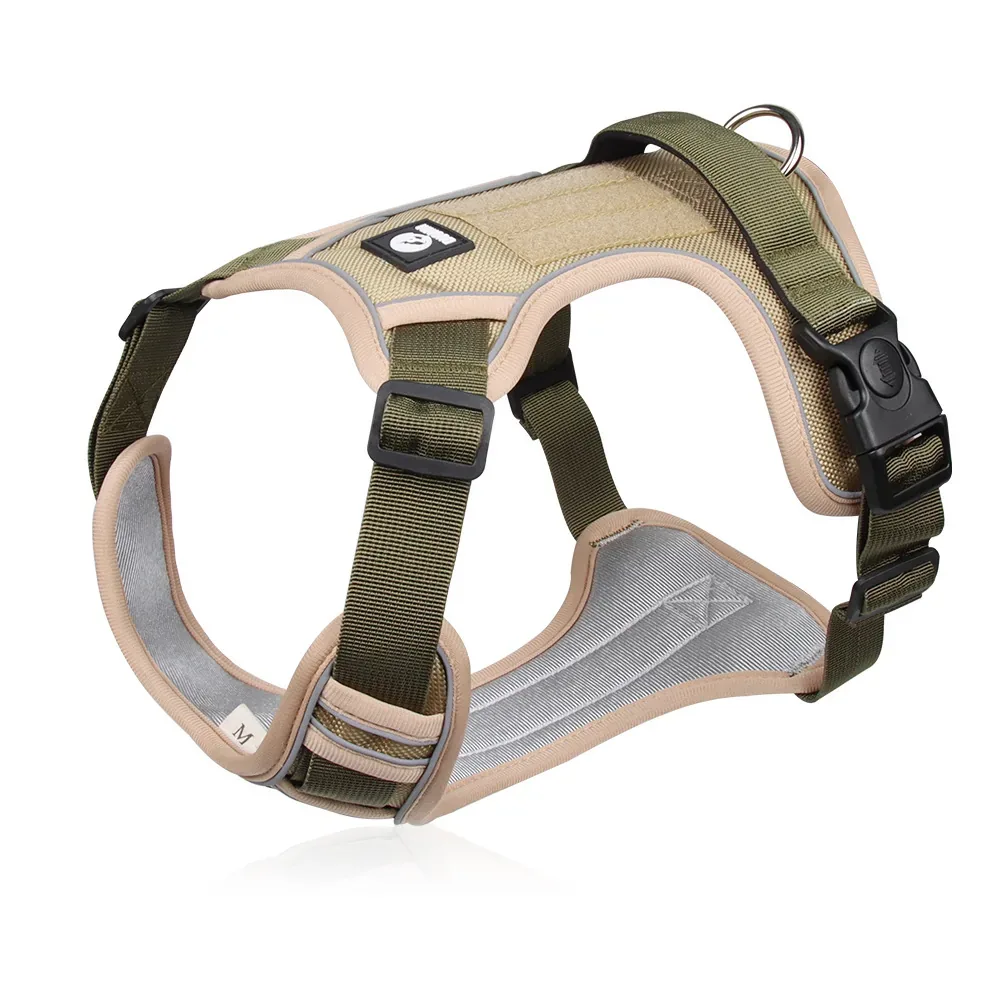
You do not need a complete new kit to take one introductory walk. First confirm the dog's measurements and learn how you actually walk together. If you then need several pieces, the My FurMigo Adventure Walking Kit groups a Reflective No-Pull Dog Harness, 2-in-1 Leakproof Dog Travel Water Bottle, and 2-in-1 Dog Treat & Waste Bag Pouch. The current bundle listing also includes a 1.5 m leash and one waste-bag roll.
Check the harness chart and individual product pages before choosing the set. A kit can make packing more consistent, but it cannot make a poor fit comfortable or replace patient handling. If organizing rewards and cleanup is the only problem, the existing treat-bag setup guide may be the more useful next read.
First-Walk Checklist
- Confirm any health, exercise, and vaccination instructions for this dog.
- Check ID, harness or collar fit, leash clip, and closures.
- Pack waste bags and any familiar rewards the dog can have.
- Decide whether water is needed for the route and weather.
- Choose a quiet route with a simple way home.
- Keep greetings optional and give the dog room to observe.
- Turn back if the dog or conditions make the outing too difficult.
- Check the dog's comfort and reset supplies afterward.
Frequently Asked Questions
How long should a new dog's first walk be?
There is no reliable number for every dog. Choose a route you can shorten easily and watch the dog's comfort, fitness, weather, and any veterinary advice. A bathroom break or a brief exploration may be enough at first.
Should I take a newly adopted dog to a dog park right away?
A dog park adds unfamiliar dogs, people, and noise. Start with a quieter route while you learn how your dog responds, and follow any guidance from the shelter or veterinarian about exposure to other dogs.
What if my new dog will not walk?
Pause and check fit, footing, weather, and the environment. Give the dog space and a low-pressure way home; do not drag them forward. Ask a veterinarian about pain or health concerns, and seek qualified behavior help if the difficulty continues.
Do I need treats for the first walk?
Not always. Familiar rewards can help reinforce easy behaviors, but a dog may not want food in a new setting. Respect dietary instructions and prioritize a manageable route and calm handling.
Is a harness better than a collar for every new dog?
No single design fits every dog. Choose equipment that fits and can be handled securely, keep identification current, and follow any individual guidance from the dog's caregiver or veterinarian. Check fit and movement before relying on new gear outdoors.
Conclusion
Prepare the basics, choose an easy route, and let the dog set the pace of this first introduction. After the walk, use what you observed to refine fit, packing, and timing. If several pieces are still missing once you know the dog's needs, compare the Adventure Walking Kit; a calm routine matters more than buying every accessory at once.
Shop this story
 Some options unavailable
Adventure Gear
2-in-1 Leakproof Dog Travel Water Bottle
5.0 (2)$20.79
Some options are still available
Continue exploring
Walk & Explore
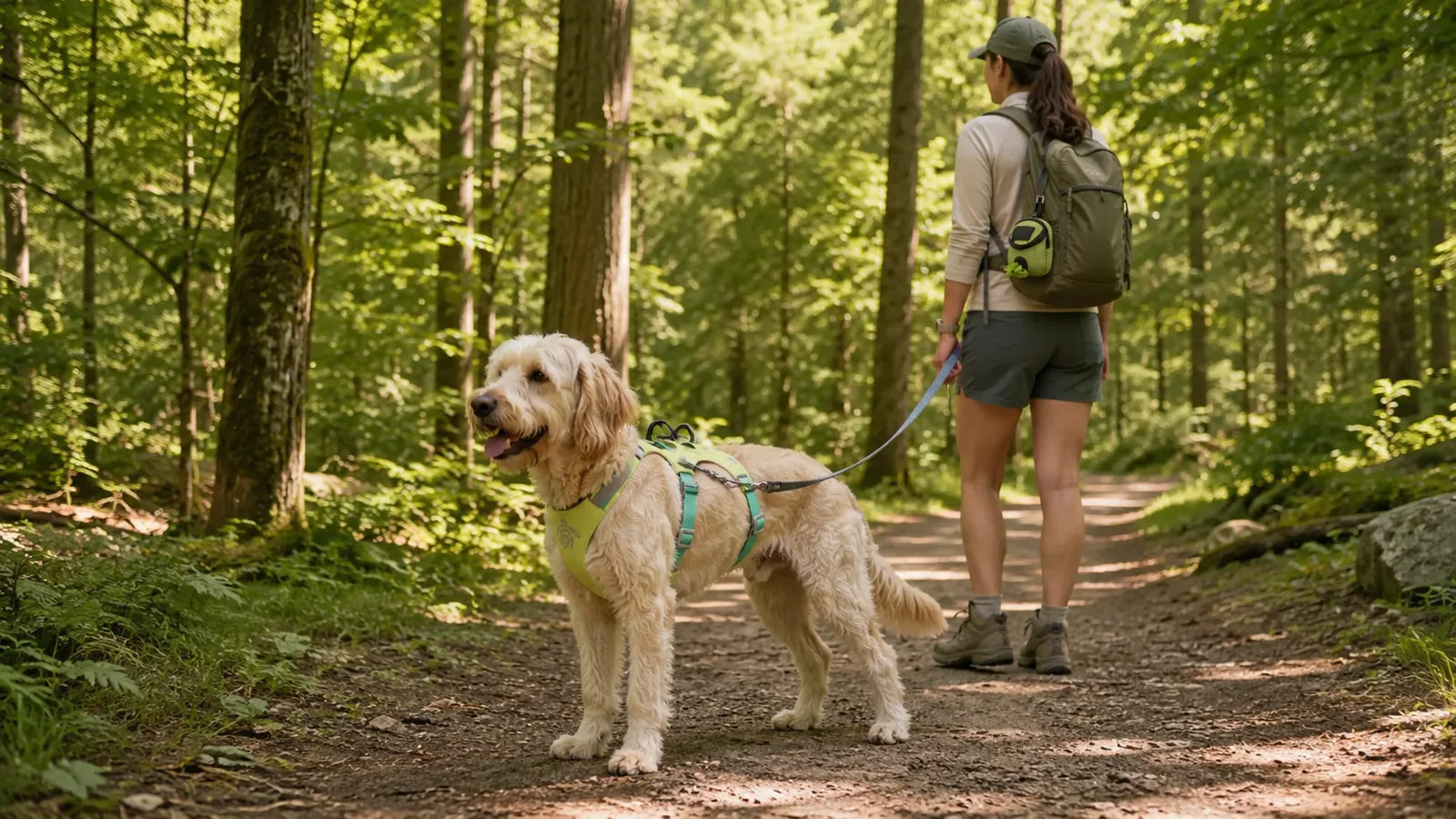
What to Pack for a Summer Day Hike With Your Dog
For a summer day hike with your dog, pack more than a leash and a shared water bottle. At minimum, bring water specifically for your dog, a portable drinking bowl, secure walking gear, current identification, waste bags, familiar treats, basic first-aid supplies, and a plan for shade and rest.
Read story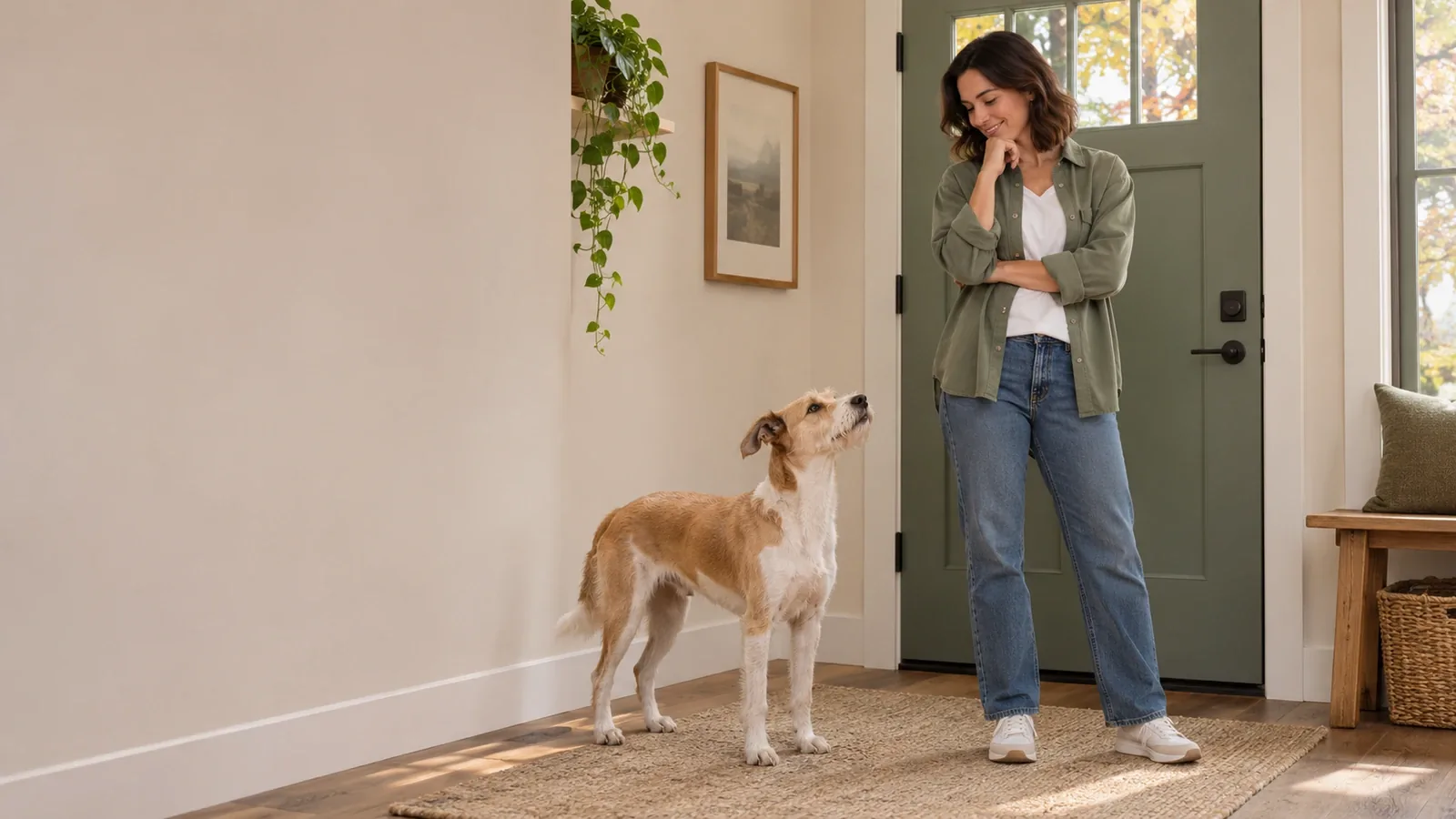
Walk & Explore
Is a Slip Lead Right for My Dog? A Practical Checklist
A slip lead is not the right default for every dog. Decide by how your dog walks, how comfortably they accept equipment, and whether you can avoid neck pressure. Persistent pulling, uncertain fit, or health concerns call for another setup or individual advice first.
Read story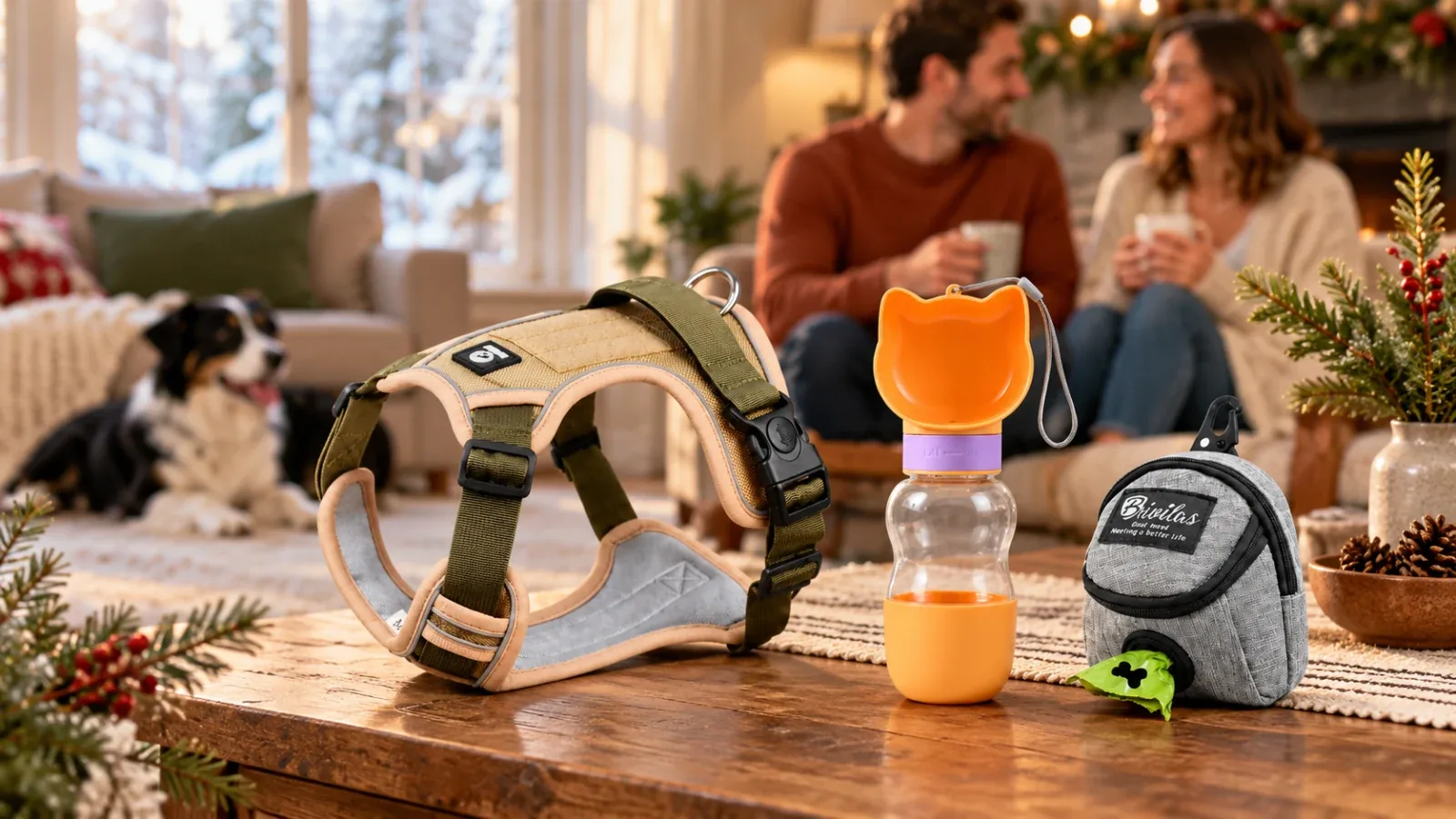
Walk & Explore
Holiday Walking Gifts for New Dog Owners: What to Choose
The most useful holiday walking gift for a new dog owner fits the dog and makes a daily task easier. If you know the dog's measurements and the owner's routine, a walking kit may work. If you do not, choose a lower-fit-risk item or select fitted gear together.
Read story