How to Teach a Dog to Catch a Frisbee Safely
Teach your dog to catch a Frisbee by first building a calm retrieve: introduce the disc, practice “take” and “drop,” roll it along the ground, then add short, low tosses. Keep all four paws down at first and stop before your dog becomes tired or overexcited.
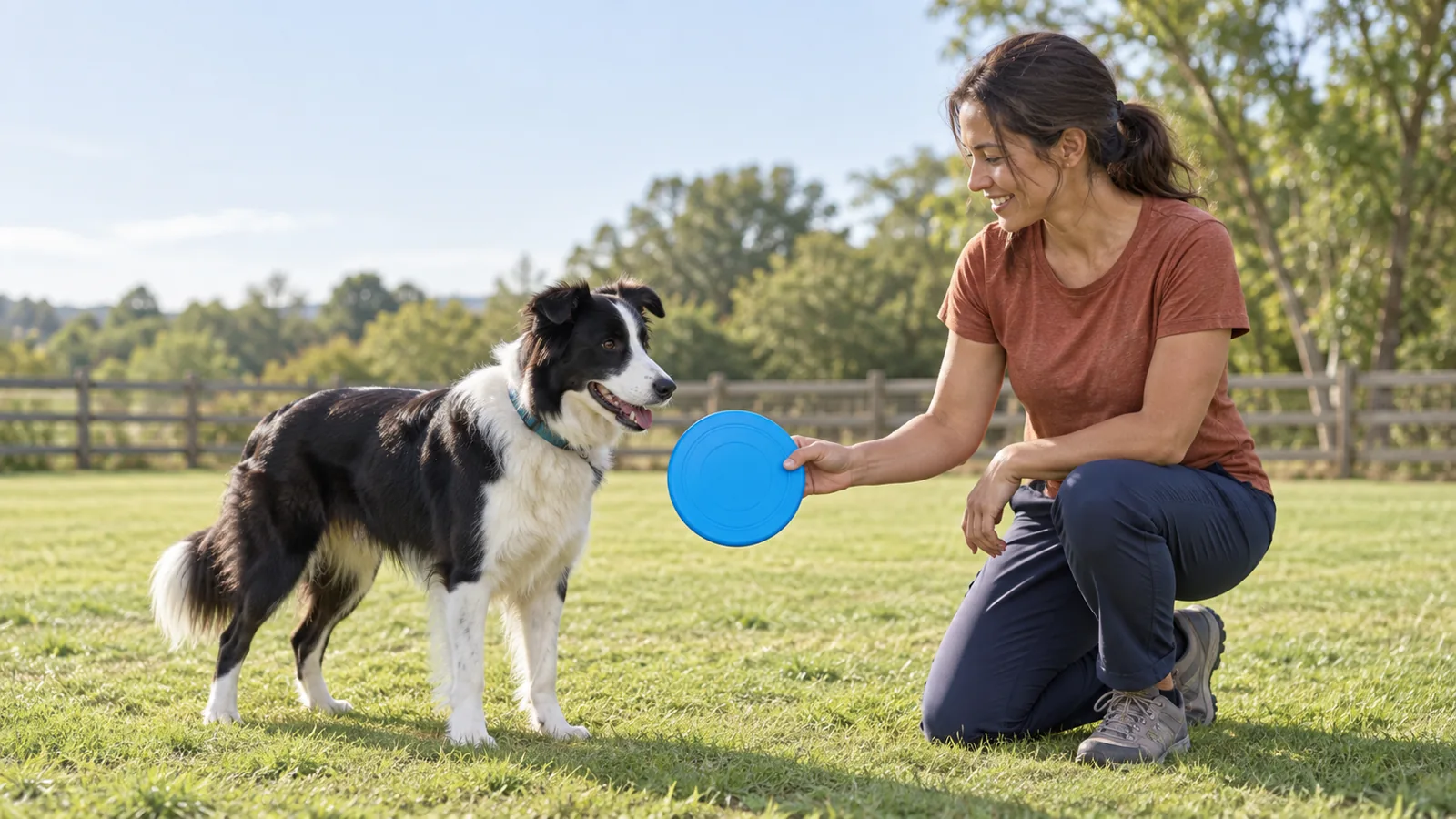
Teach your dog to catch a Frisbee by first building a calm retrieve: introduce the disc, practice “take” and “drop,” roll it along the ground, then add short, low tosses. Keep all four paws down at first and stop before your dog becomes tired or overexcited.
Not every dog should progress to airborne catches. Age, joint health, fitness, body shape, surface, weather, and interest all matter. The goal is controlled play your dog enjoys—not height, distance, or a perfect catch.
Check Whether Flying-Disc Play Fits Your Dog
A dog does not need to be an athlete to enjoy a ground roll or short retrieve. Catching a moving disc, however, adds acceleration, turning, and deceleration. Start with the lowest-impact version of the game and let your dog's movement guide the pace.
Ask your veterinarian before beginning vigorous fetch if your dog has a history of limping, joint or back problems, breathing difficulty, exercise intolerance, recent surgery, or another condition that could affect movement. Senior dogs, dogs carrying extra weight, and short-muzzled dogs may need a different activity plan. VCA's fitness guidance recommends matching exercise to age, health, body condition, and physical structure.
Puppies can learn the cues and retrieve pattern without leaping. Their coordination and joints are still developing. VCA advises avoiding games that ask puppies to jump high, stop abruptly, or change direction rapidly and repeatedly. Keep puppy sessions on the ground and ask your veterinarian when more demanding exercise is appropriate for your dog's expected adult size.
A simple readiness check
Move forward only when the answer to each relevant question is yes:
| Check | What you want to see |
|---|---|
| Interest | Your dog approaches the disc willingly without guarding or avoiding it |
| Cues | Your dog can respond to a familiar recall and release an object without a chase |
| Movement | Your dog walks and trots comfortably before, during, and after play |
| Arousal | Your dog can pause, take a break, and reorient to you |
| Environment | The area is permitted, enclosed or safely controlled, level, and free of traffic and obstacles |
If your dog prefers sniffing, tug, or a walk, choose that activity. A lack of interest is not a training failure.
Prepare a Low-Risk Practice Area
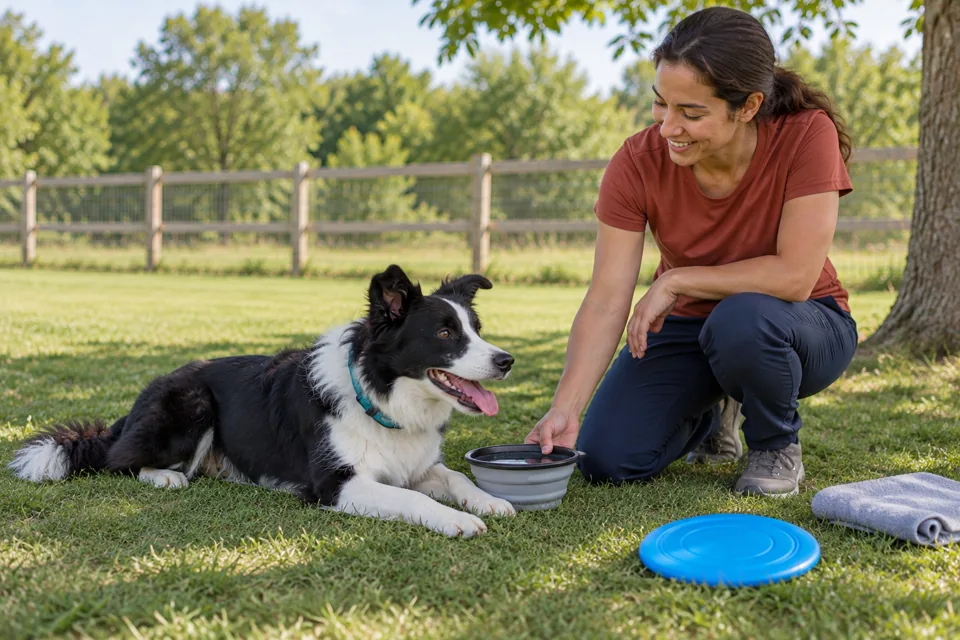
Use a fenced yard or another open space where off-leash play is allowed and safely contained. Short grass provides more predictable footing than pavement, deep sand, wet turf, slopes, or ground with holes. Remove sticks, toys, bowls, and other objects from the chase path. Keep children and unfamiliar dogs outside the training lane.
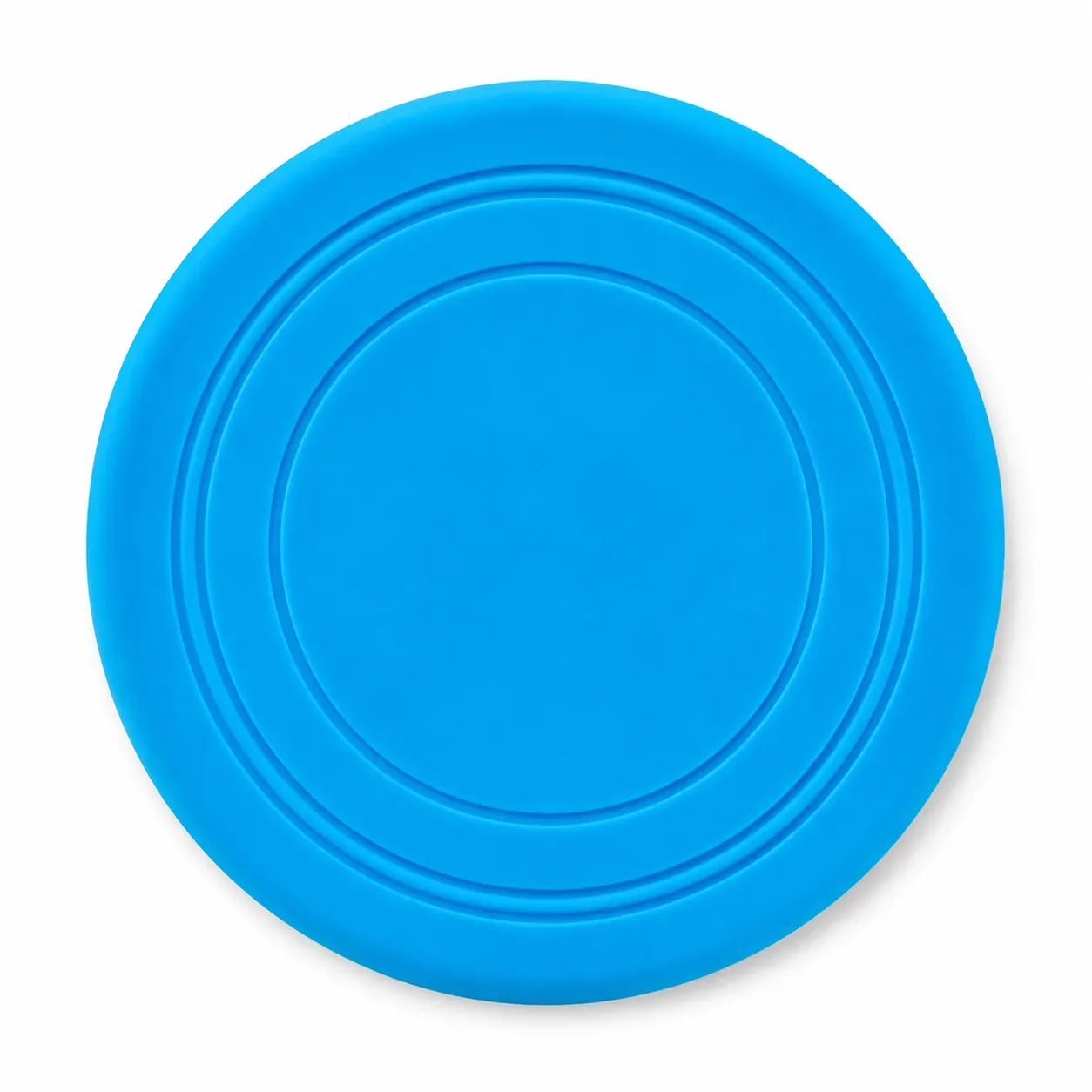
Check the disc before every session. The edge should be intact, without splits, sharp damage, or loose pieces. Choose a flexible flying disc sized so your dog can carry it without straining or swallowing it. A flying disc is an interactive retrieve toy, not an unsupervised chew item; put it away when the session ends.
Bring water and plan breaks before your dog asks for them. On warm days, shorten or skip active play and choose a cooler time. If you are traveling to the practice area, this dog water packing guide can help you build a simple hydration setup.
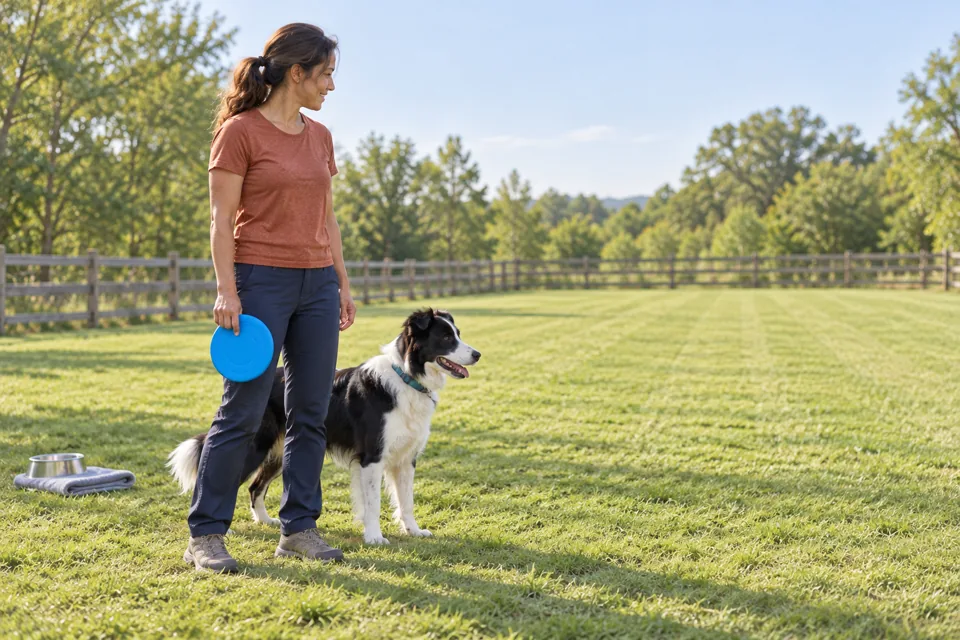
Step 1: Make the Disc Predict Calm, Cooperative Play
Start indoors or in a quiet yard. Place the disc on the ground and let your dog investigate. Mark and reward calm interest: looking at it, stepping toward it, or touching it with the nose. Do not push the disc toward a hesitant dog or wave it near the face.
Next, hold the disc low and still. Reward a gentle mouth touch, then a brief hold. Add your usual “take” cue only after the behavior is predictable. Trade for a small reward or a second toy, say “drop,” and pick up the disc after your dog releases it. Avoid prying the mouth open or turning the exchange into keep-away.
Practice until your dog can take, release, and return attention to you without grabbing at hands. These skills make the later chase easier to stop and restart.
Step 2: Teach the Chase With Ground Rolls
Move to the prepared grass lane. Show the disc, wait until your dog is looking, then roll it on its edge a short distance away from the dog—not toward the dog's face or legs. A ground roll lets your dog learn the object's speed and path without needing to jump.
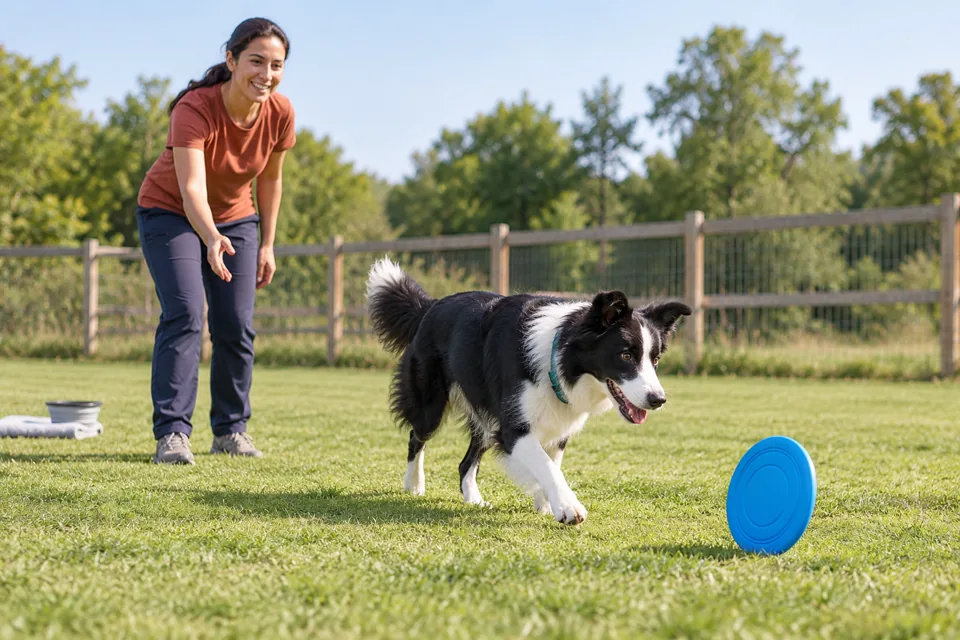
When your dog follows or picks it up, move a step or two backward and invite a return. Reward the return near you, then cue “drop” and reset. If your dog runs away with the disc, shorten the distance and reward earlier; do not chase.
Repeat only while the sequence stays smooth:
- Look at the disc.
- Chase the short roll.
- Pick it up or touch it.
- Return toward the handler.
- Release and pause.
Progress is not the number of repetitions. It is the dog's ability to complete the pattern without frantic grabbing, wide skidding turns, or losing response to familiar cues.
Step 3: Add a Short, Low Toss
Once your dog reliably follows ground rolls and returns, replace the roll with a soft toss just ahead of the dog's path. Keep the disc around nose-to-chest height and close enough that the dog can meet it with all four paws on the ground. Toss slightly away from the dog rather than directly at the face.
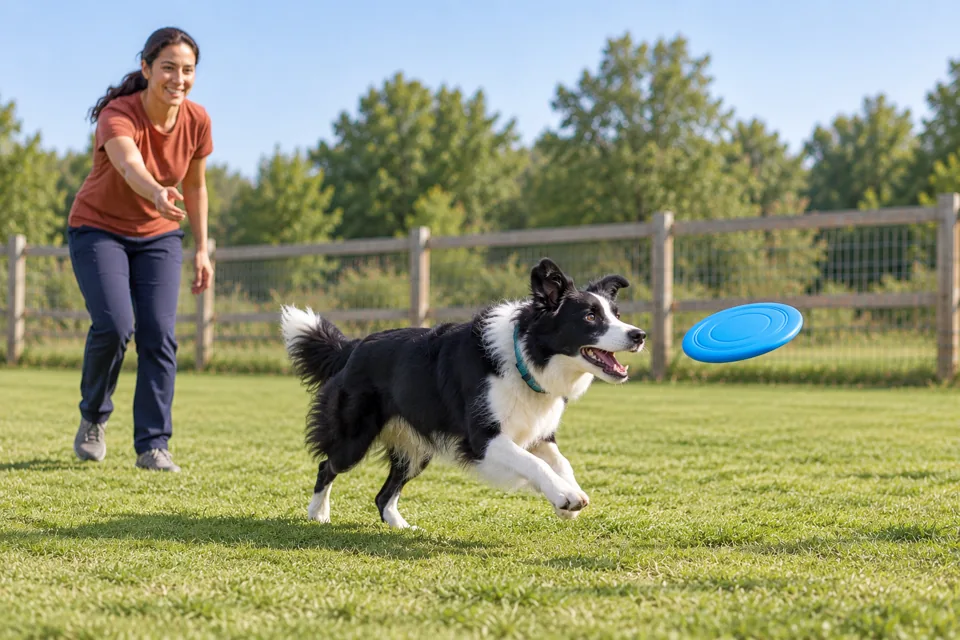
Use the same return-and-release routine after every attempt, including misses. Do not encourage a jump by holding the disc overhead. If your dog rushes underneath it, collides with it, twists sharply, or repeatedly overshoots, return to slower ground rolls.
Increase only one variable at a time. Add a little distance before speed, and keep the flight low. There is no need to teach high catches for a satisfying game of fetch. Dogs that compete in disc sports benefit from skilled coaching and a conditioning plan beyond this beginner routine.
Choose a Disc for the Training Stage
For early practice, prioritize a smooth, intact edge, flexible material, manageable diameter, and a shape your dog can pick up without excessive jaw stretch. The disc should be easy for the handler to control at short range. Inspect it after contact with teeth and replace it when damaged.
The Lightweight Floating TPR Dog Flying Disc Toy is one option for supervised beginner retrieves. Its product page lists flexible TPR construction, a 7-inch (17.8 cm) diameter, and a weight of about 0.14 lb (62 g). It floats, but floating does not mean every dog can swim or that every water location is suitable. The same page instructs handlers to begin with short throws, supervise play, rinse after water use, air-dry, and replace the disc if damaged.
The right toy still depends on your dog's mouth size, play style, and ability to release it. Stop using any disc your dog tries to tear apart or swallow.
Stop While the Game Is Still Controlled
End the active portion when your dog disengages, repeatedly sits or lies down, becomes unusually slow to respond, pants harder than expected, loses coordination, or cannot settle between repetitions. VCA's play and exercise guidance recommends stopping and offering rest when a dog appears out of breath or repeatedly tries to sit or lie down.
Also pause for escalating behavior such as repeated jumping at the handler, grabbing clothing, barking that does not resolve with a reset, or refusing a familiar release cue. Calmly announce the end of the game, trade for the disc if needed, offer water, and switch to quiet sniffing or rest.
Limping, pain, collapse, breathing distress, disorientation, or difficulty rising needs veterinary attention rather than another attempt. If movement or behavior remains different after the dog has rested, contact your veterinarian.
Troubleshoot Common Frisbee Training Problems
My dog watches the disc but will not chase it
Make the task easier. Reward one look or nose touch, move the disc gently along the ground, and stop before interest fades. Some dogs need several calm introductions; others simply prefer a different game.
My dog chases but does not bring it back
Shorten the roll, practice in a smaller enclosed area, and move backward as your dog picks up the disc. Reward the return before asking for the release. Never make chasing the dog part of the game.
My dog grabs my hand with the disc
Hold the disc still and low, then reward a gentle touch or wait for a calmer approach. If grabbing continues, put the disc away and practice “take” and “drop” with a less exciting object.
My dog gets overexcited after one throw
Use one repetition followed by a predictable pause. Scatter a few pieces of the dog's normal food in the grass for sniffing, or ask for an easy familiar cue. If your dog cannot reset, end the session.
Frequently Asked Questions
At what age can a dog learn to catch a Frisbee?
A puppy can learn calm take, drop, recall, and ground-roll retrieves, but high jumps, hard stops, and repeated sharp turns are not appropriate for growing joints. Ask your veterinarian when more demanding disc exercise fits your individual dog.
Should I throw the Frisbee directly to my dog?
No. Toss it slightly ahead of your dog's path and keep the first flights low and short. Throwing directly at the face gives the dog less time to track or avoid the disc.
How long should a beginner session last?
Use behavior rather than a universal timer. Start with only a few successful repetitions separated by pauses. End while your dog is still coordinated, responsive, and willing to disengage.
What surface is best for beginner disc training?
Level, short grass in a clear, securely contained area is a practical starting surface. Avoid slick pavement, holes, steep slopes, crowded dog parks, and any location where off-leash activity is prohibited.
Can I use a regular plastic Frisbee?
Use a disc designed for dog play that is intact, appropriately sized, and comfortable for your dog to carry. Hard, cracked, sharp, or easily fragmented discs should not be used. Supervise every session and inspect the toy afterward.
Conclusion
Build the retrieve before the catch: teach calm take and drop, use short ground rolls, then add low tosses only when your dog stays responsive and balanced. A controlled game on suitable ground is more valuable than height or distance—and stopping at the right time is part of the skill.
Shop this story
Continue exploring
Travel Together
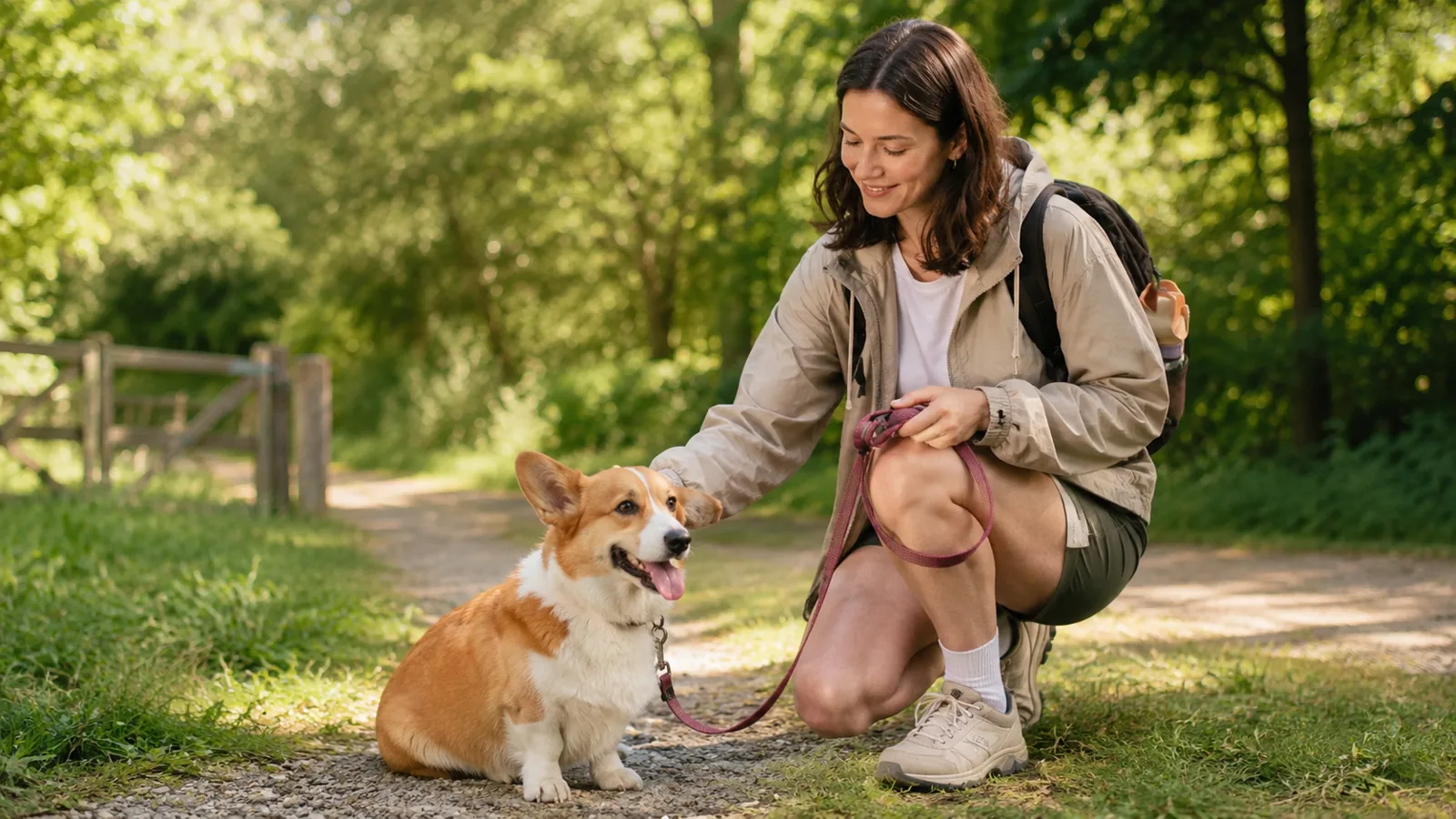
How to Travel With Your Dog’s Water: A Simple Hydration Packing Guide
Taking your dog out for a walk, hike, or road trip is easier when water is part of the plan from the start. The challenge is not simply remembering to bring water. You also need a practical way to carry it, make it available to your dog, and keep the rest of your bag or car organized.
Read story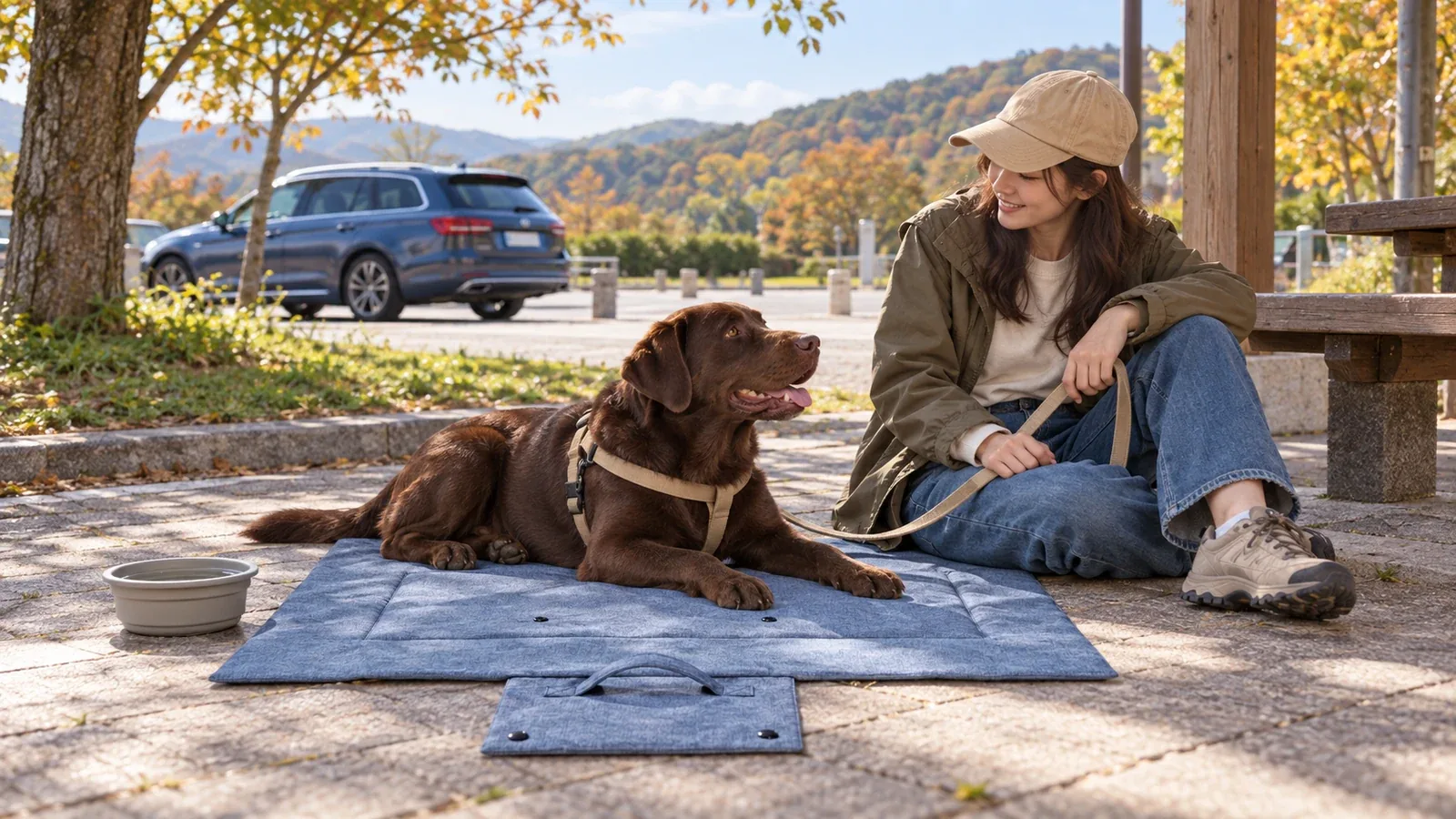
Travel Together
How to Set Up a Dog Rest Area for a Road Trip
Set up a portable dog rest area with a familiar mat, water, leash, waste bags, and a quiet position away from traffic. Practice the setup at home, use it only at safe planned stops, and repeat the same settle-and-release routine after arrival.
Read story
Travel Together
How to Set Up a Campsite Sleeping Area for a Small Dog
Set up your small dog's campsite sleeping area on flat, dry ground near your own tent, with shade, ventilation, familiar bedding, water nearby, and a leash or other control plan. Measure first, practice at home, and never treat a portable pet tent as unattended shelter.
Read story